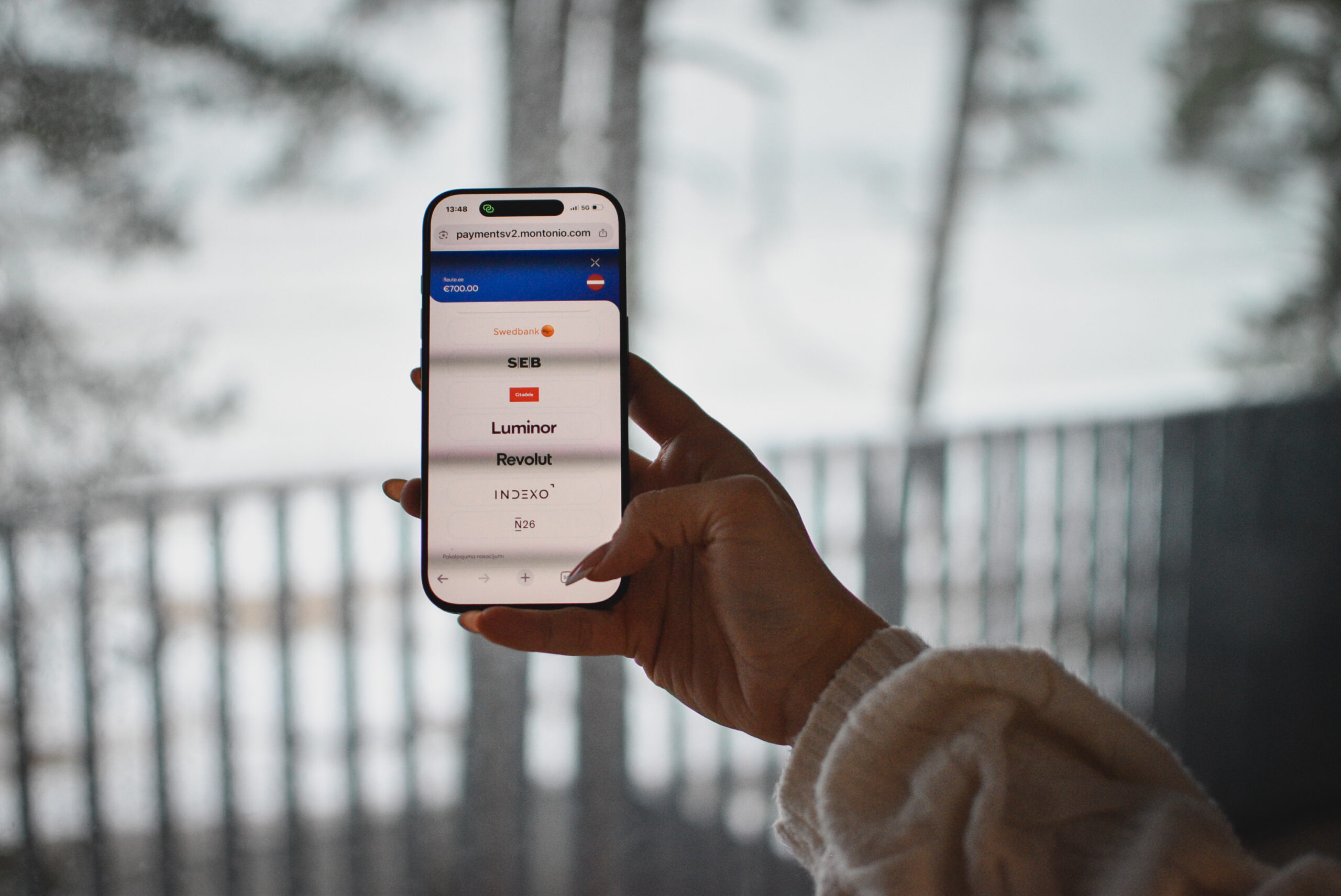
Why ask for prepayment?
Asking for prepayment can feel uncomfortable for an accommodation provider.
- Will a potential guest choose another property, causing us to lose revenue?
- Will it feel too strict?
- Should we be more flexible?
But let us also look at the situation from the business owner’s perspective.
When a guest books a room, sauna, package, or treatment, that time is taken off the market. Meanwhile, the business may make preparations, schedule employees, order necessary products, or turn down other bookings.
A booking is not simply a name in a calendar. It is the business’s promise to reserve a particular resource for a particular customer. Prepayment makes that promise mutual.
The customer confirms their intention to come, and the business confirms that the requested room or service will be held for them. It is a clear agreement between both parties.
In my view, accommodation providers should not be afraid of prepayment, because there are several possible solutions for genuinely unexpected situations. If a guest has an accident, becomes ill, or cannot travel for another valid reason, travel insurance may cover the resulting costs, depending on the policy and level of cover selected.
The accommodation provider can also remain human and flexible. When a customer gets in touch, explains the situation, and looks for a solution, the case can always be considered individually. You may decide to issue a refund, offer a gift voucher, or move the booking to a suitable date in the future.
Clear conditions do not mean that exceptions can never be made. They give the business owner a starting point from which to decide when to follow the original terms and when it makes sense to accommodate the customer.
Flexibility should be a conscious choice, not an obligation that arises every time a guest changes their plans.
Prepayment is also important for automated last-minute bookings. When a guest makes a booking late at night and immediately receives a door code, the business must know that the stay has been paid for.
When payment can be made quickly and securely during the booking process, everything becomes clearer for both the customer and the business.
What happens when a guest cancels at the last minute?
Cancellations are a natural part of the accommodation business. Flights are delayed. Children become ill. Plans change.
The question is not whether cancellations will happen. The question is whether the business has well-considered rules for handling them.
When a guest cancels at the last minute, the business may no longer be able to resell the same room or service. The revenue is lost, even though several costs may already have been incurred.
Without clear conditions, the business owner must resolve each situation individually. This leads to more emails, phone calls, negotiations, and sometimes uncomfortable disputes.
A clear cancellation policy is not a punishment. It is a way of managing expectations.
Before confirming a booking, the customer should know:
- until what time they may cancel free of charge;
- when the booking becomes non-refundable;
- under what conditions the dates may be changed;
- what happens in the event of a late cancellation or no-show.
When these conditions are visible during the booking process, there are fewer misunderstandings and greater certainty for both parties.